Skip to product information
1 of 6

Holey Rock (per kg)

Holey Rock (per kg)

Holey Rock
Regular price $13.99
Regular price Sale price $13.99
Save $-13.99 Sold out
Feature icon 1

Fast and cheap

Feature icon 2

Clean with no colouring

Feature icon 3

24/7 Live chat and support

Details

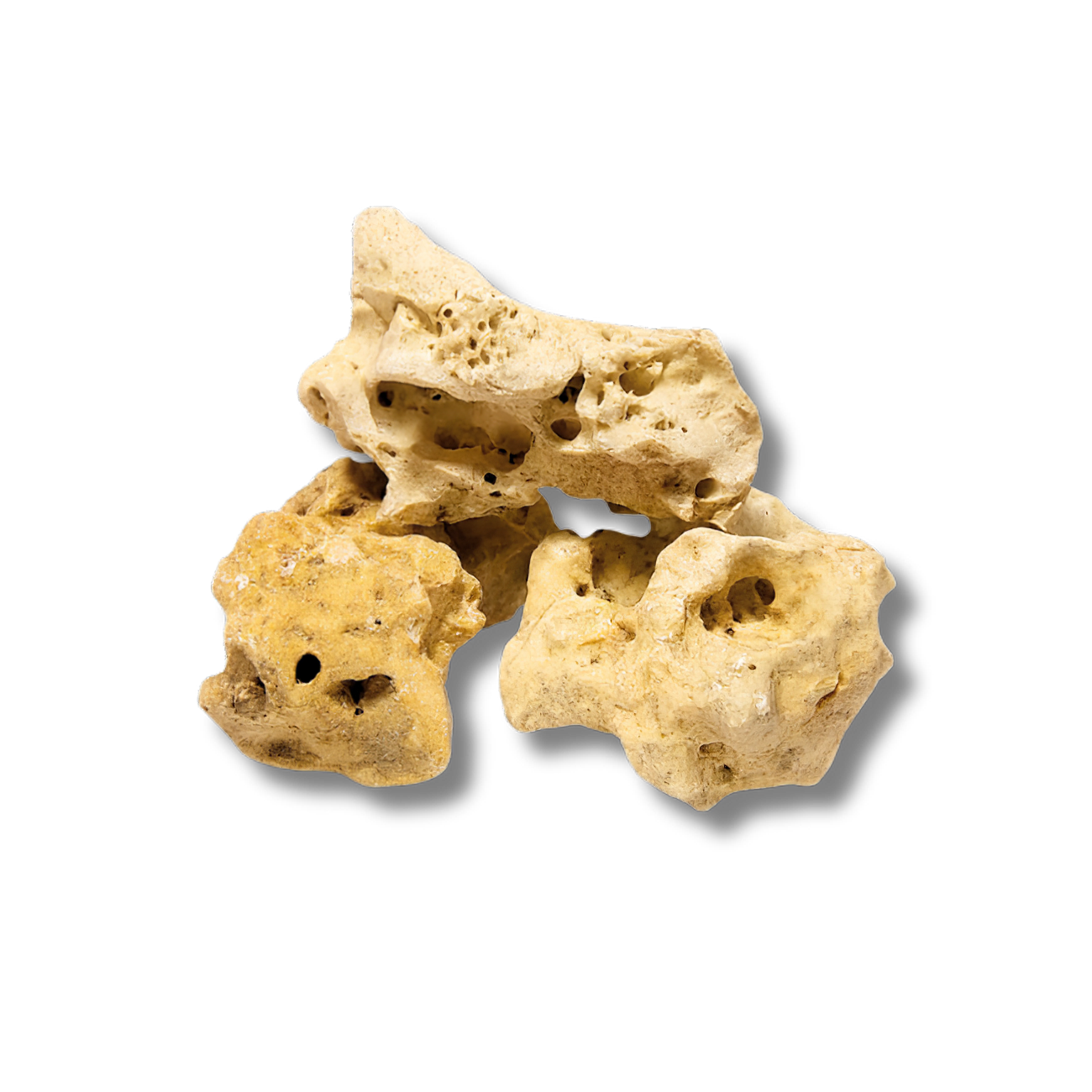
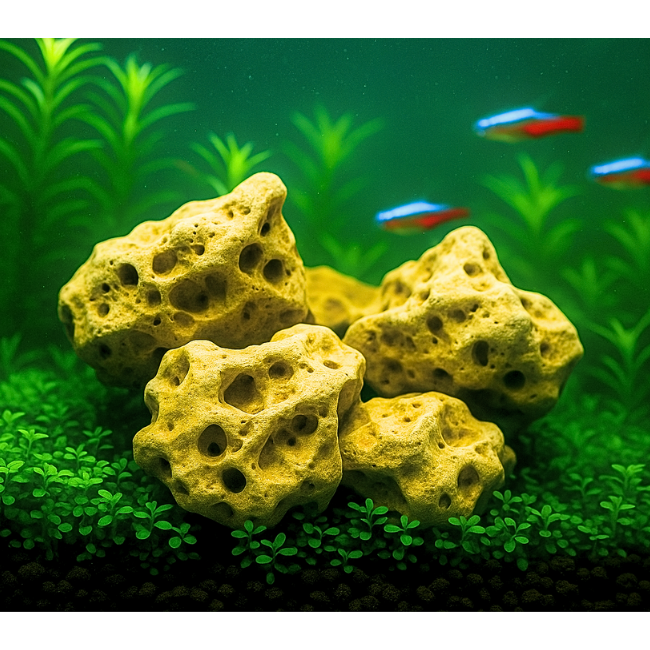
Aquarium safe Holey rock. Excellent for aquascaping but It does increase the ph and kh of the water. All pictures shown are wet and dry examples. Available by the kilo and various sizes S, M and L

SHIPPING INFO

Fast and cheap

FAQ

Q: What is Holey Rock used for?

A: Holey Rock is a decorative natural aquarium stone commonly used to create caves, hiding spots, and dramatic hardscape layouts in aquariums and aquascapes.

Q: Why is Holey Rock popular in aquariums?

A: Its naturally porous structure and unique holes create excellent shelter areas for fish while adding texture and visual depth to aquarium layouts.

Q: Is Holey Rock safe for aquariums?

A: Yes, aquarium-grade Holey Rock is suitable for aquarium use when properly rinsed before placement.

Q: Can I use Holey Rock in freshwater aquariums?

A: Absolutely. It is widely used in freshwater aquariums, cichlid tanks, and aquascaping layouts.

Q: Is Holey Rock suitable for African cichlids?

A: Yes, it is especially popular in African cichlid setups because the holes and caves provide natural territories and hiding spaces.

Q: Does Holey Rock affect water parameters?

A: Some natural rocks may influence hardness or pH slightly depending on composition, so monitoring water parameters is recommended for sensitive setups.

Q: Is every piece the same?

A: No, each piece is naturally unique in shape, texture, size, and hole patterns, making every aquascape different.

Q: Should I rinse the rock before use?

A: Yes, rinsing thoroughly before placing it into the aquarium helps remove dust and loose debris.

Q: Can shrimp and small fish use the holes as shelter?

A: Yes, the natural openings make excellent hiding places for shrimp, fry, and smaller fish species.

Q: Can I stack Holey Rock?

A: Yes, many aquarists stack pieces to create cliffs, caves, and layered rock formations, though stability should always be checked carefully.

Q: Is Holey Rock beginner friendly?

A: Absolutely. It’s an easy and effective way to create a more natural and visually impressive aquarium layout.


View full details
  • Fast and cheap

  • Clean with no colouring

  • 24/7 Live chat and support

  • Over 100,000 happy aquariums

Designed Around Natural Habitat Architecture

Holey Rock is a naturally weathered limestone distinguished by its complex network of cavities, tunnels and erosion patterns formed over thousands of years. These naturally occurring voids create depth while providing the appearance of ancient rock formations shaped by flowing water and gradual mineral dissolution.

Holey Rock


Geological Complexity Creates Natural Depth

Nature rarely produces smooth, featureless rock.

The porous surface and interconnected cavities of Holey Rock create layers of shadow and perspective that add visual interest from every viewing angle. The irregular openings soften transitions between stone, substrate and aquatic plants, allowing the hardscape to appear naturally integrated into the surrounding landscape.

As mosses, epiphytic plants and biofilm establish across the surface, the rock develops even greater realism while preserving its distinctive geological character.


Structure Supports Natural Behaviour

Complex hardscape influences how many aquatic species interact with their environment.

The naturally formed openings provide sheltered areas that can help create territories, retreat spaces and visual barriers for fish and shrimp, while also offering secure attachment points for mosses and epiphytic plants. This combination of biological function and geological realism makes Holey Rock suitable for aquascapes where both aesthetics and environmental enrichment are important.

The result is an aquarium that feels more natural for both the observer and its inhabitants.


A Living Geological Foundation

Natural stone continues to evolve alongside the aquarium.

As beneficial microorganisms colonise the surface and aquatic plants gradually integrate with the rock, Holey Rock becomes increasingly connected to the surrounding ecosystem. Its distinctive cavities remain visible while the landscape develops the mature appearance expected of a long-established natural environment.