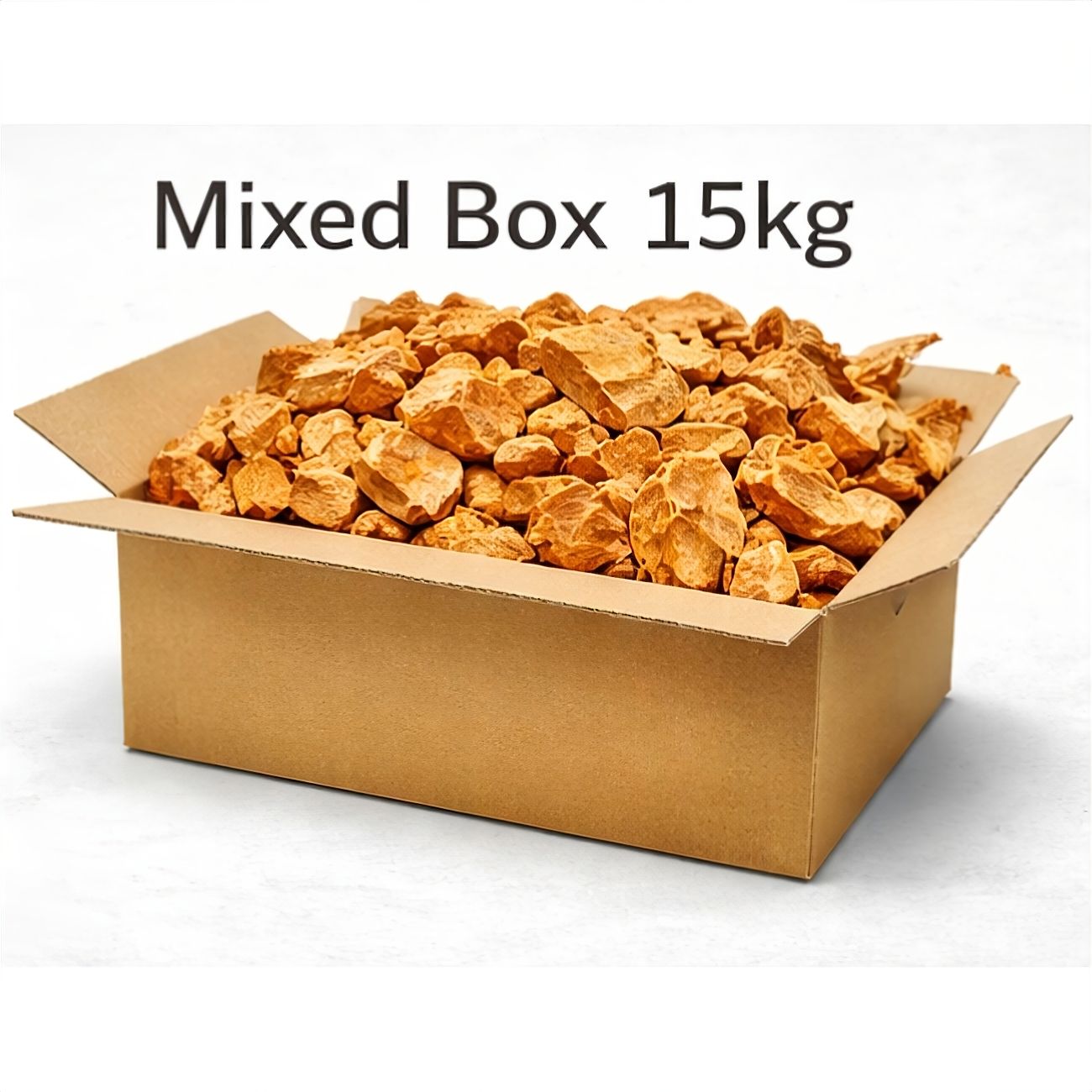
Dragon Stone (per Kg)
Couldn't load pickup availability
Fast and cheap
Clean with no colouring
24/7 Live chat and support
Details
Details
Specifications and Compatibility
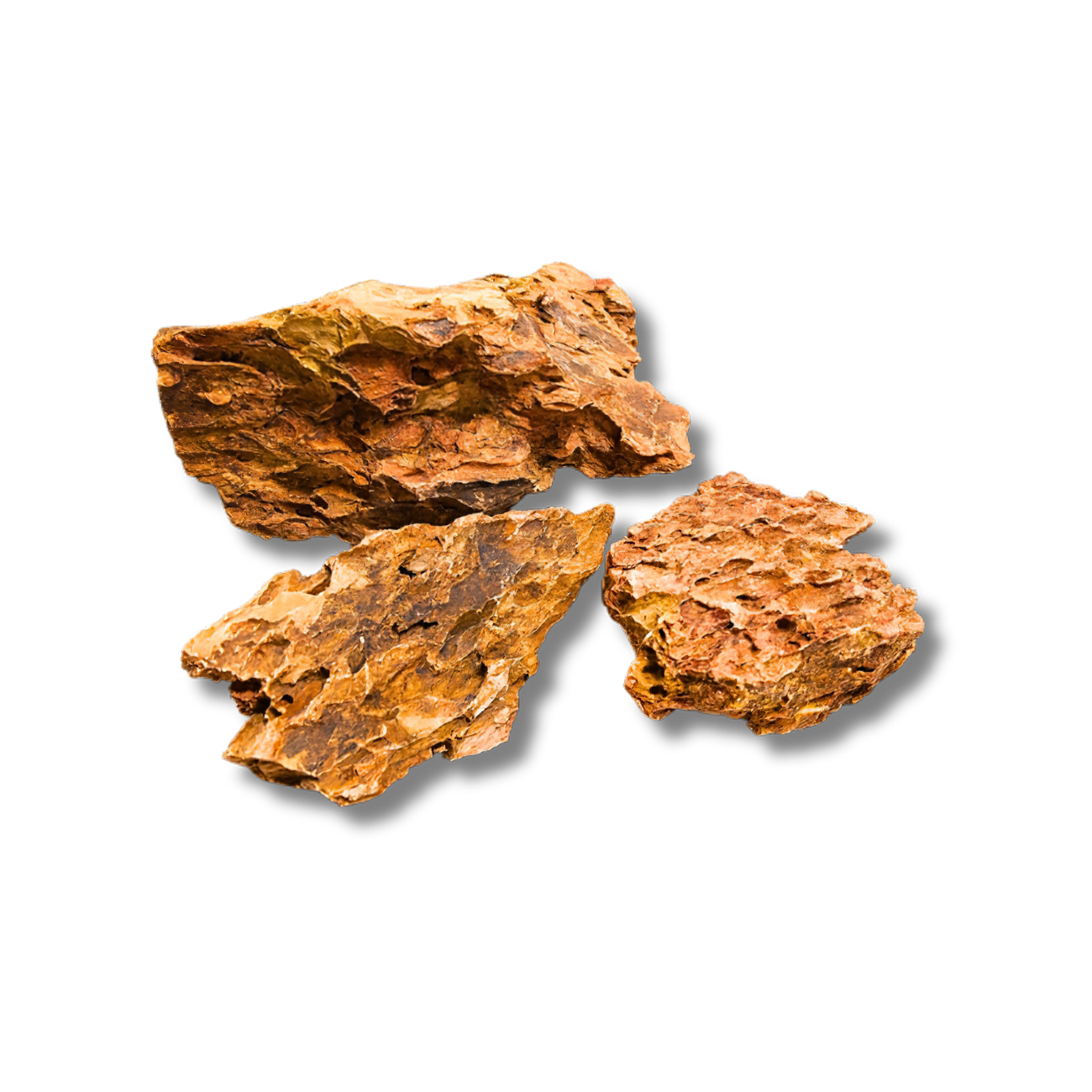
Natural Dragon Stone selected for aquascaping applications. Each piece features unique weathering patterns, textured surfaces and natural cavities that create realistic geological structure within freshwater aquariums, paludariums and terrariums.
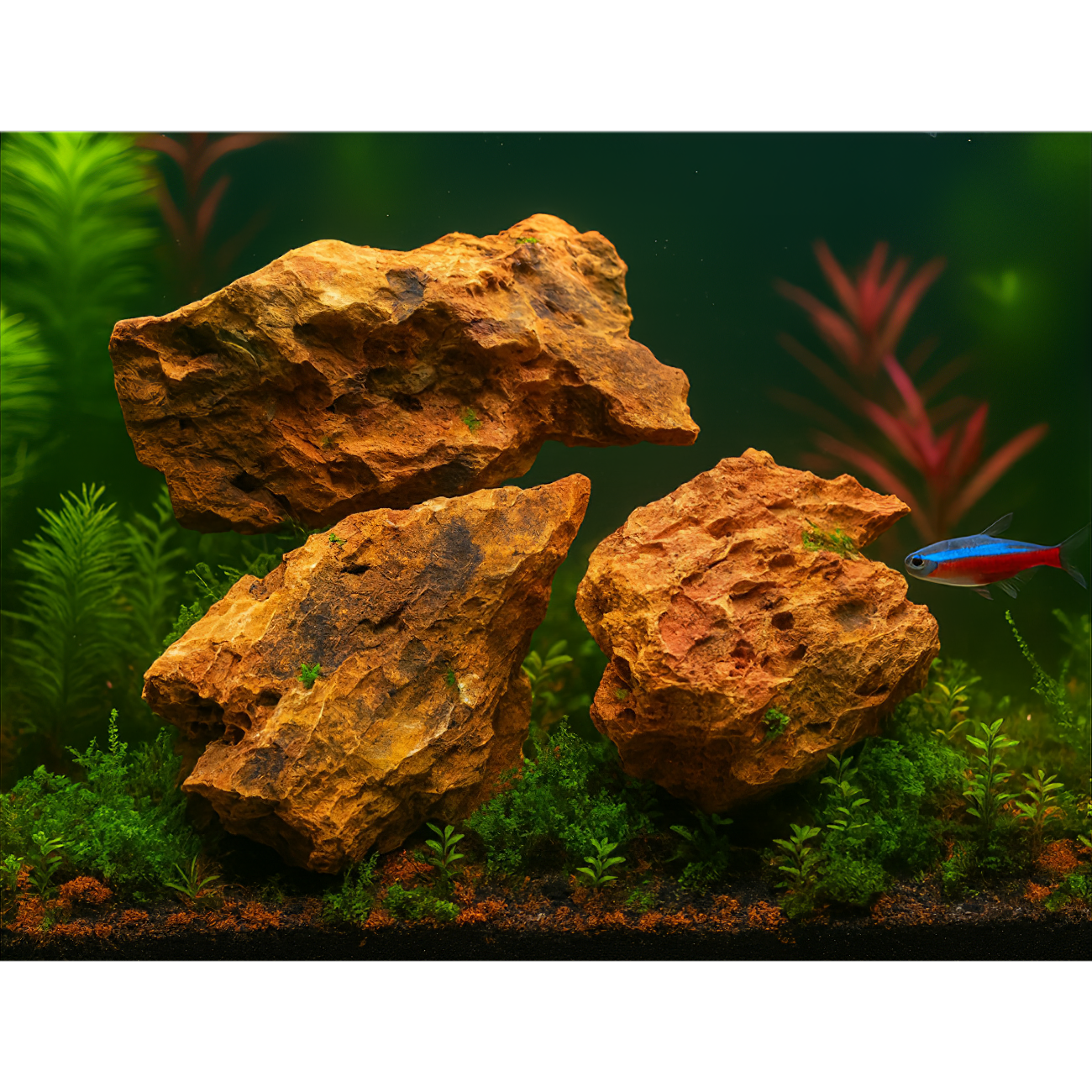
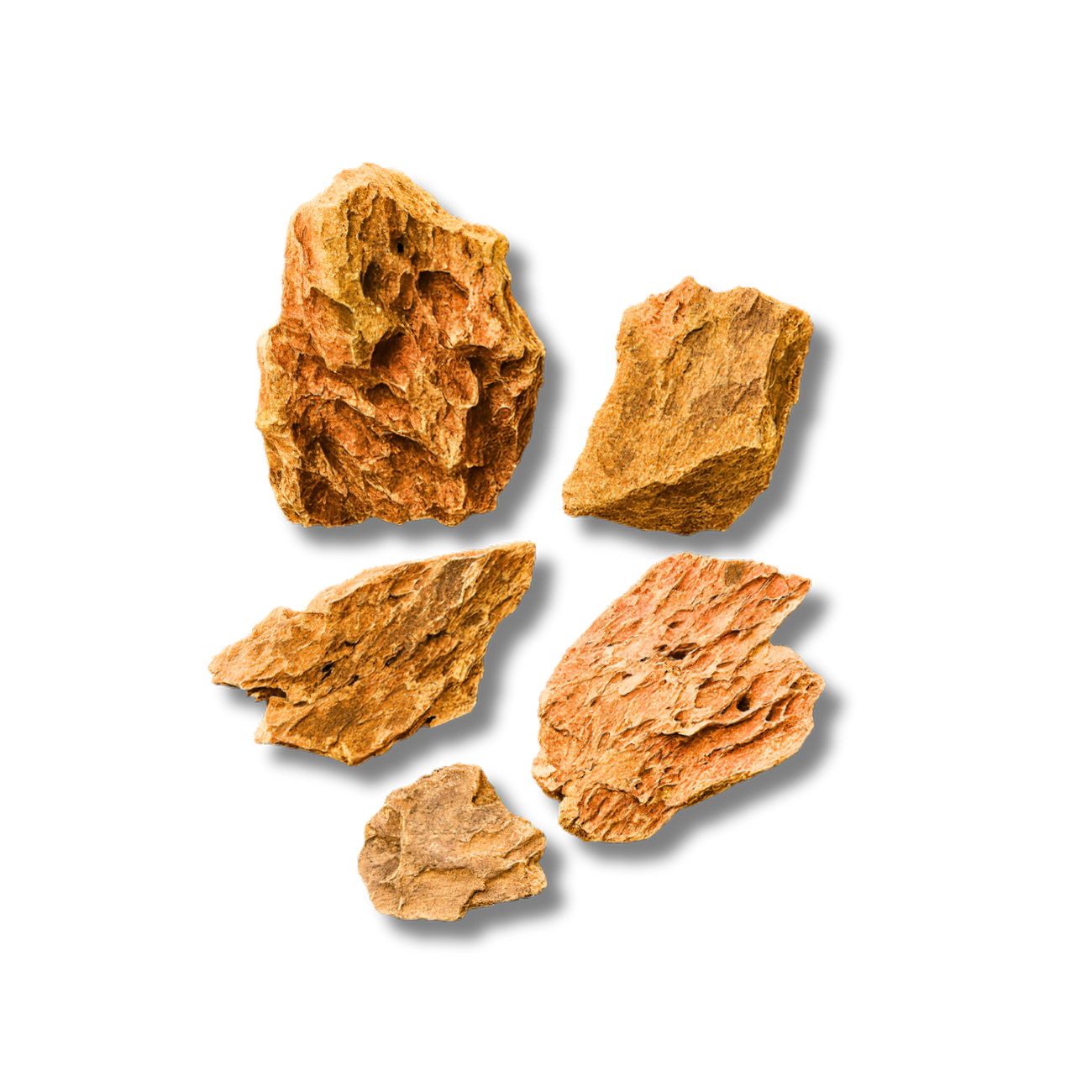
Suitable for planted aquariums, Nature Aquariums, Iwagumi-inspired layouts, shrimp aquariums and decorative hardscape compositions. As each stone is naturally formed, individual size, shape, texture and colour will vary, ensuring every layout remains unique.
Recommended For
Nature Aquariums, mountain-style aquascapes, riverbank layouts, epiphytic planting, shrimp aquariums and aquarists seeking highly textured natural hardscape with exceptional geological character.
SHIPPING INFO
SHIPPING INFO
Fast and cheap
FAQ
FAQ
Q: What is Dragon Stone used for?
A: Dragon Stone, also known as Ohko Stone, is one of the most popular aquascaping rocks used to create natural landscapes, mountain formations, caves, and Iwagumi-style aquarium layouts.
Q: Why is Dragon Stone so popular in aquascaping?
A: Dragon Stone features unique weathered textures, deep crevices, and an earthy appearance that creates a natural, aged look in planted aquariums.
Q: Is Dragon Stone safe for aquariums?
A: Yes, Dragon Stone is aquarium-safe and widely used in freshwater planted tanks and aquascaping layouts.
Q: Can I use Dragon Stone in planted aquariums?
A: Absolutely. Dragon Stone is a favourite among aquascapers because it pairs perfectly with carpeting plants, stem plants, mosses, and aquasoils.
Q: Does Dragon Stone affect water parameters?
A: Dragon Stone is generally considered relatively inert and typically has minimal impact on aquarium water chemistry.
Q: What aquascaping styles work best with Dragon Stone?
A: Dragon Stone is ideal for Iwagumi layouts, mountain scapes, nature aquariums, canyon designs, and minimalist aquascapes.
Q: Why does Dragon Stone have holes and crevices?
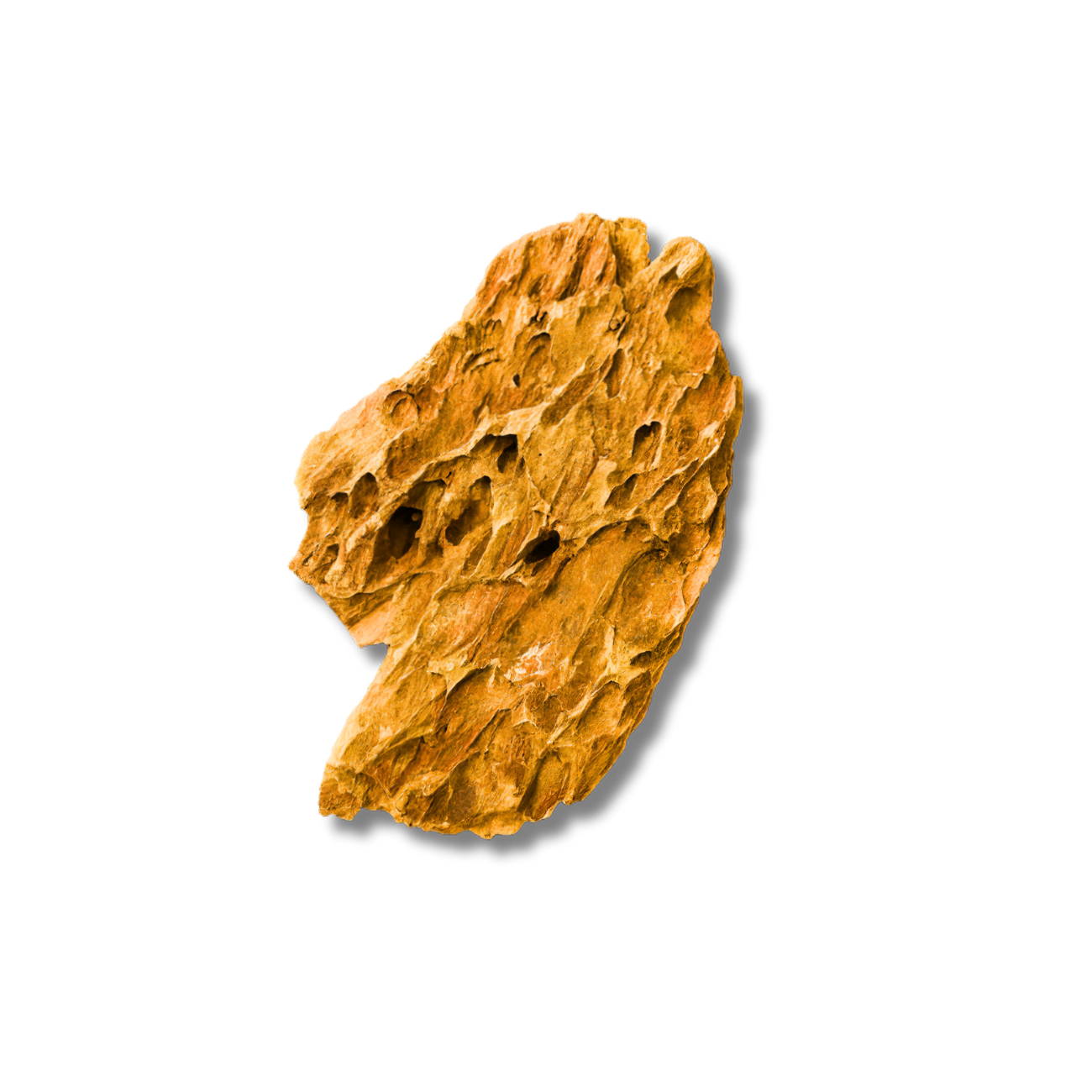
A: The stone's distinctive texture is created through natural erosion over time, giving it the appearance of dragon scales and rugged landscapes.
Q: Is every piece of Dragon Stone unique?
A: Yes, each stone has its own shape, texture, colour variation, and natural formations, making every aquascape unique.
Q: Can I combine Dragon Stone with driftwood?
A: Yes, Dragon Stone pairs beautifully with driftwood, roots, decorative sands, and aquatic plants to create natural-looking aquascapes.
Q: Is Dragon Stone suitable for shrimp tanks?
A: Yes, the textured surface creates natural grazing areas and hiding places for freshwater shrimp.
Q: Should I rinse Dragon Stone before use?
A: Yes, Dragon Stone often contains clay and dust within its crevices, so thorough rinsing before use is highly recommended.
Q: Why does Dragon Stone sometimes release dirt when first cleaned?
A: Dragon Stone naturally contains clay deposits within its holes and textures. This is normal and can be removed through rinsing and brushing before use.
Q: Can I stack Dragon Stone to create rock formations?
A: Yes, its lightweight structure and irregular shapes make it excellent for building cliffs, terraces, caves, and mountain-style aquascapes.
Q: Is Dragon Stone suitable for nano aquariums?
A: Yes, smaller pieces work exceptionally well in nano aquascapes, while larger stones can serve as dramatic focal points in larger tanks.
Q: Can beneficial bacteria colonise Dragon Stone?
A: Yes, the highly textured surface provides additional area for beneficial bacteria to establish, supporting a healthy aquarium ecosystem.
Q: Why choose Dragon Stone for your aquascape?
A: Dragon Stone combines beautiful natural textures, excellent plant compatibility, minimal impact on water chemistry, and incredible aquascaping versatility, making it one of the most popular hardscape stones in the hobby.
Couldn't load pickup availability

-
Fast and cheap
-
Clean with no colouring
-
24/7 Live chat and support
-
Over 100,000 happy aquariums
A Foundation That Matures With The Aquarium
As an aquascape develops, plants soften the hardscape while biofilm, algae and microbial communities gradually enhance its natural appearance.
Dragon Stone provides a stable geological foundation that evolves alongside the aquarium, creating an increasingly authentic landscape as the system matures.
Dragon Stone
Designed Around Natural Geological Structure
Hardscape forms the architectural foundation of an aquascape. Before plants establish and the aquarium matures, stone defines perspective, elevation and the overall composition of the layout.
Dragon Stone is a naturally weathered sedimentary rock recognised for its deeply textured surface, intricate cavities and layered erosion patterns. Formed through thousands of years of natural weathering, each piece displays unique contours and geological detail that create the appearance of ancient landscapes beneath the water.
Rather than acting as decoration, Dragon Stone establishes the structural framework from which the entire aquascape develops.
Geological Texture Creates Natural Depth
Natural landscapes derive much of their realism from irregularity.
The heavily weathered surface of Dragon Stone produces countless ridges, depressions and fractures that interact with light to generate depth and shadow throughout the aquarium. These natural features also create ideal transitions between hardscape, mosses, epiphytic plants and surrounding substrate.
The result is a composition that appears naturally formed rather than intentionally arranged.
Build Scale Through Stone Composition
Successful aquascapes rely on more than selecting attractive rocks. The relationship between primary stones, supporting stones and negative space determines how the viewer perceives scale and perspective.
Dragon Stone offers a highly organic form that lends itself to dramatic elevation changes, mountain-style layouts, riverbanks and nature-inspired compositions. Its varied geometry allows multiple pieces to interlock naturally, creating cohesive structures that appear as though they originated from a single geological formation.
Couldn't load pickup availability