Skip to product information
1 of 4

WIO - Mcdonald Lake Boulder

WIO - Mcdonald Lake Boulder

Feature icon 1

Fast and Cheap

Feature icon 2

100% natural aquascaping rock

Feature icon 3

24/7 support

WIO - Mcdonald Lake Boulder
Regular price $12.95
Regular price Sale price $12.95
Save $-12.95 Sold out

Details

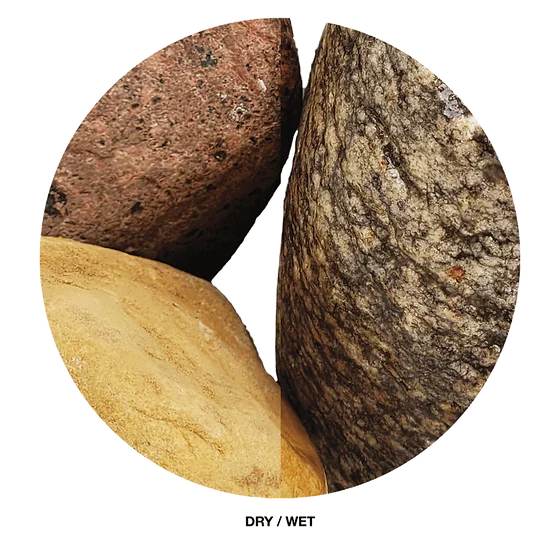
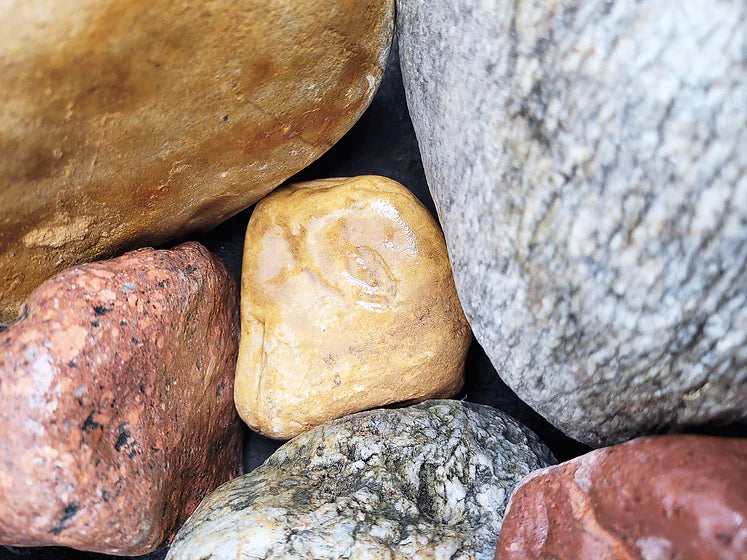
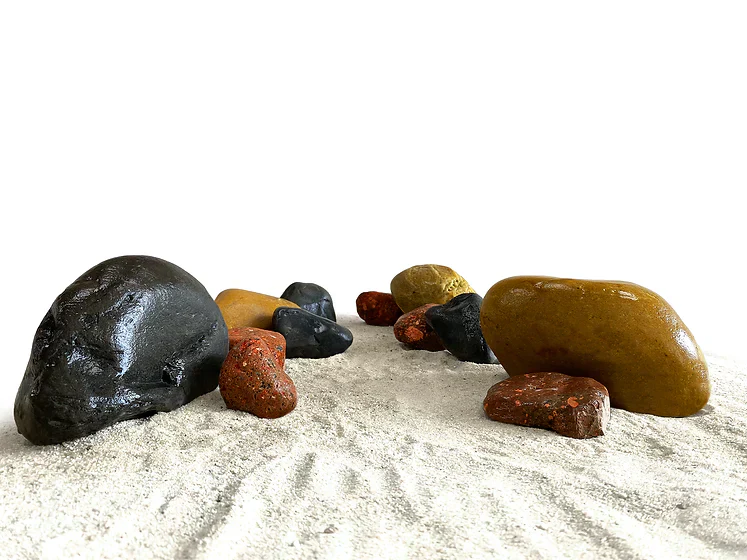
- Rare and unique colorful boulders

- Colors range from dark red to maroon, and from green to blue and black

- Adds a unique riverbed impression to any aquascape - Available in Nano Boulder and Gravel formats

- Type: Natural mix stones from different origins

- Color: Dark red, maroon, green, blue, and black

- Texture: Smooth with natural color gradients

- Sizes: Mix sizes from 10 to 30 cms

SHIPPING INFO

Sent individually per kilo

Fast and cheap!

FAQ

Q: What is the WIO McDonald Lake Boulder used for?

A: WIO McDonald Lake Boulder is a premium natural aquascaping stone designed to create stunning freshwater hardscapes, focal points, and nature-inspired aquarium landscapes.

Q: What makes McDonald Lake Boulder unique?

A: Inspired by the colourful stones found around Montana's famous McDonald Lake, this boulder features beautiful natural colour variations, smooth contours, and unique patterns that add depth and realism to any aquascape.

Q: Is McDonald Lake Boulder safe for aquariums?

A: Yes, it is suitable for freshwater aquariums, planted tanks, paludariums, and terrarium projects.

Q: Can I use McDonald Lake Boulder in a planted aquarium?

A: Absolutely. Its natural colours and textures complement aquatic plants, mosses, carpeting plants, and decorative substrates beautifully.

Q: What aquascaping styles work best with McDonald Lake Boulder?

A: It is ideal for nature-style aquascapes, riverbed layouts, forest-inspired scenes, biotope aquariums, and minimalist hardscape designs.

Q: Does McDonald Lake Boulder affect water parameters?

A: Natural stones can vary in composition. It is always recommended to monitor water parameters when introducing new hardscape materials into your aquarium.

Q: Is every McDonald Lake Boulder the same?

A: No, each boulder is naturally unique in shape, size, colouration, and pattern, ensuring every aquascape has its own distinctive appearance.

Q: Can McDonald Lake Boulder be used as a focal stone?

A: Yes, its attractive natural colouring and smooth yet detailed texture make it an excellent centrepiece for aquascapes of all sizes.

Q: Can I combine McDonald Lake Boulder with driftwood?

A: Absolutely. It pairs beautifully with driftwood, roots, decorative sands, aquasoils, and aquatic plants to create balanced and natural-looking layouts.

Q: Is it suitable for shrimp and fish tanks?

A: Yes, it is suitable for freshwater fish, shrimp, and planted aquarium environments.

Q: Should I rinse McDonald Lake Boulder before use?

A: Yes, thoroughly rinsing the stone before placement helps remove dust and loose particles from transport and handling.

Q: Can I use multiple McDonald Lake Boulders together?

A: Yes, combining several boulders allows you to create realistic riverbanks, rocky shorelines, natural elevations, and impressive hardscape compositions.

Q: Is McDonald Lake Boulder suitable for nano aquariums?

A: Smaller pieces can be used in nano aquascapes, while larger boulders create striking focal points in medium and large aquariums.

Q: Can beneficial bacteria colonise the stone?

A: Yes, the stone's natural surface provides additional area for beneficial bacteria to establish, helping support a healthy aquarium ecosystem.

Q: Why choose WIO McDonald Lake Boulder for your aquascape?

A: WIO McDonald Lake Boulder combines beautiful natural colouration, authentic textures, and exceptional versatility, making it an excellent choice for creating realistic, nature-inspired aquascapes with a premium finish.


View full details
  • Fast and Cheap

  • 100% natural aquascaping rock

  • 24/7 support

  • Over 100,000 happy aquariums

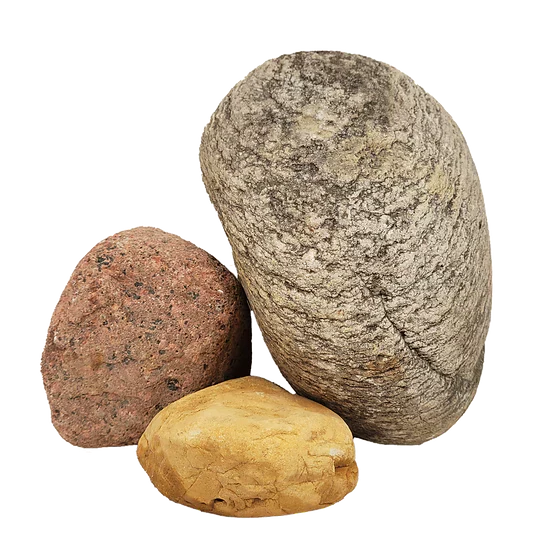
McDonald Lake Boulder - is a colourful stone that brings a unique riverbed impression to your aquarium or terrarium. With colors ranging from dark red to maroon, and from green to blue and black, it adds a stunning visual appeal to any aquascape.

  • Description

    McDonald Lake boulder is a rare and unique stone. Its name it’s a tribute to the Glacier National Park's biggest lake in Montana, USA. It is a colorful boulder that can add a stunning visual appeal to your aquarium or terrarium, creating a unique riverbed impression. With colors ranging from dark red to maroon, and from green to blue and black, it adds a unique and beautiful touch to any aquascape.


    The colored stones of Lake McDonald owe their colors to the iron content in sedimentary pebble rocks and the degree of its oxidation. The rocks were formed for millions of years under different conditions, resulting in the beautiful colors seen today. The lake rocks were then ground into small colored pebbles by giant ice blocks during the Ice Age, which were then brought into the valley by streams of meltwater.


    McDonald Lake boulder is available in mix sizes from 10 to 30 cms, and it can be complemented with McDonald Lake Nano Boulders. Some boulders may raise pH and hardness slightly. Regular water changes are enough to keep the hardness under control.

  • Key Points

  • Characteristics

  • Usage

  • It can be used in both aquatic and terrarium environments.
  • Rinse rocks and stones with water before use. Use a brush to clean it before introducing the stones in the aquarium.
  • Avoid placing rocks directly on the glass as they can be very heavy and sharp. Instead, place substrate or our LandForms before placing the hardscape to help fix the exact stone position with more freedom.
  • Always secure the stones, especially when placing one rock on top of another, you can do so with our ScapeBound, as the top rock may move or fall during regular maintenance, harming your dwellers or even breaking the aquarium.
  • Position stones a few centimeters/inches away from aquarium glass walls to facilitate maintenance.
  • Control any alterations in pH and kH by regular water changes with osmotic or soft water, or by using a water softener if necessary.
  • Safe for fish, shrimps, and other aquatic animals