Aquarium GH & KH Explained: The Complete Guide to Water Stability for Fish, Shrimp & Plants
Aquarium GH & KH Explained — Fix Water Stability the Right Way
Most aquarium hobbyists hear about GH and KH, but very few understand what they actually measure or why they’re critical for fish, shrimp, and plant health. If your shrimp fail to moult, your pH crashes overnight, or your plants melt even though your test kit says everything is “fine,” water hardness is often the hidden culprit.
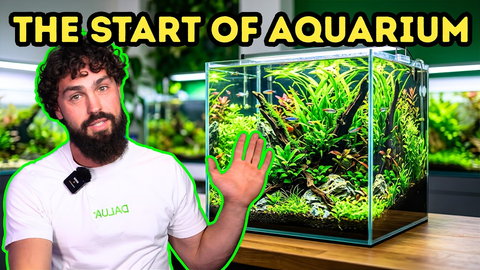
In this video, the Dalua Fishroom breaks down GH vs KH in the clearest way possible — no jargon, no confusion, just practical aquarium science you can use today.
What GH Actually Measures
GH (General Hardness) tracks the levels of calcium and magnesium in your water. These minerals directly influence:
Fish bone development
Shrimp moulting success
Plant nutrient uptake
Overall mineral balance
Low GH often leads to shrimp moulting issues, plant melt, and weak fish immune systems.
What KH Does — Your pH Bodyguard
KH (Carbonate Hardness) is responsible for buffering pH. It prevents sudden drops that can stress or kill livestock.
Key points from the video:
Biological filtration slowly consumes KH
Low KH = unstable pH
KH is the #1 factor preventing overnight pH crashes
If your tank’s pH swings wildly, KH is usually the reason.
GH vs KH vs pH — Why They’re Not the Same
The video explains the common confusion:
GH = minerals
KH = buffering capacity
pH = acidity/alkalinity
They influence each other, but they are not interchangeable.
Signs Your GH or KH Is Off
Low GH
Shrimp failing to moult
Plants melting
Fish showing stress or weak coloration
Low KH
pH crashes
pH swings between day and night
Filter bacteria instability
High GH or KH
Algae blooms
Mineral deposits
Sensitive species showing stress
Why Water Parameters Drift Over Time
The video highlights that aquariums naturally consume minerals and buffering capacity. Even if your tap water starts stable, GH and KH will decline unless replenished.